


Flexible Endoscope Failures and How to Prevent Costly Damage
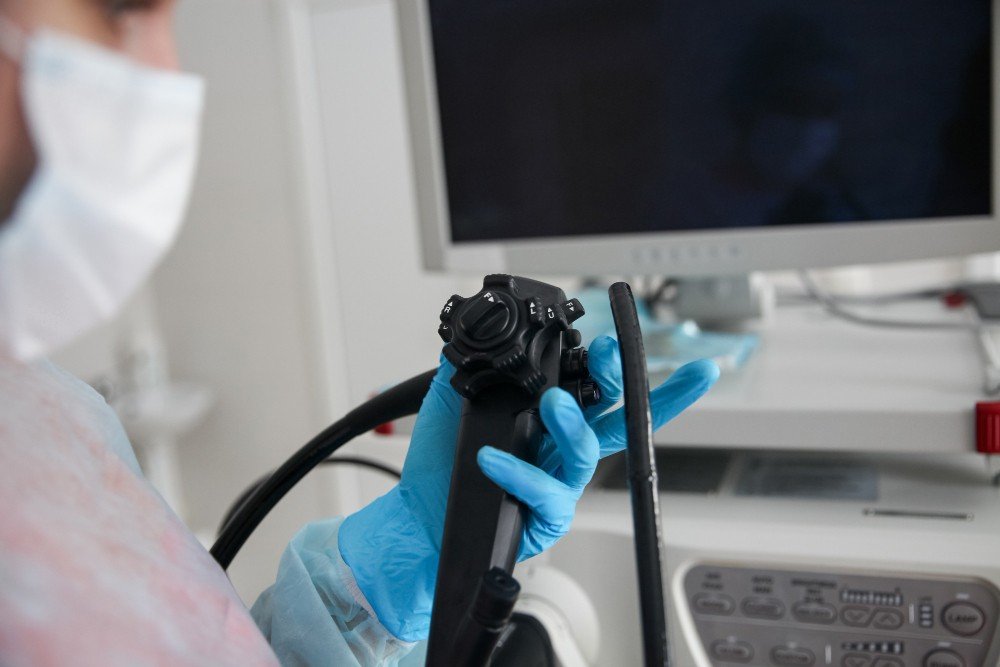
Flexible endoscopes are some of the most complex and sensitive instruments used in modern healthcare. With multiple internal channels, angulation wires, optical fibers, and digital imaging components, they require careful handling and timely maintenance to ensure safe and accurate performance.
AJ Medical provides reliable, high-quality flexible endoscope repair services designed to keep your diagnostic and surgical equipment functioning at its best. Our certified technicians begin with a comprehensive evaluation, accurately diagnosing mechanical, optical, and electronic issues. We perform expert repairs on insertion tubes, bending sections, channels, and imaging systems using OEM-quality parts to restore clarity and functionality. Every scope undergoes rigorous quality testing— including leak testing and image calibration— to ensure compliance with medical device standards. With fast turnaround times, priority service options, and clear communication throughout the process, we help healthcare facilities minimize downtime and maintain dependable endoscope performance.
Most Common Failures in Flexible Endoscopes
1. Insertion Tube Damage
Cracks, dents, or cuts in the insertion tube often occur due to repeated bending and improper handling. When ignored, they can cause:
- Fluid invasion
- Image distortion
- Internal component damage
Damaged insertion tubes should be replaced immediately to prevent more serious failures.
2. Angulation Wire Failure
Frequent articulation during procedures causes wear and tear on the angulation system. Early symptoms include:
- Reduced up/down or left/right movement
- Stiff or unresponsive control dials
- Jerky or inconsistent articulation
Repairs involve replacing angulation wires and fine-tuning the internal movement system.
3. Leaks in Internal Channels
Flexible scopes must pass leak testing before every reprocessing cycle. Leaks can lead to:
- Internal fluid invasion
- Electrical failure
- Corrosion or rusting
- Damage to CCD/CMOS chips
Professional repair centers use advanced leak testers to detect and fix leaks with precision.
4. Light Guide & Image Issues
Optical fiber damage or digital sensor failure may result in:
- Dark spots or patches
- Grainy or noisy images
- Low brightness
- Flickering or unstable image output
Optical and imaging repairs restore clarity and uniform illumination.
Why Leak Testing Is the Most Critical Step
Leak testing is the first and most important step in flexible endoscope maintenance. It helps prevent:
- Water ingress
- Internal corrosion
- Electrical short circuits
- Costly full-scope overhauls
Skipping leak testing even once can result in severe and irreversible damage.
Signs Your Flexible Endoscope Needs Immediate Repair
- Reduced articulation or stiff angulation
- Cuts, dents, or abrasions on the insertion tube
- Bubbles during leak testing
- Dark spots or uneven brightness in the image
- Poor suction or channel blockage
- Loose or unstable distal end
Recognizing these symptoms early helps avoid expensive internal failures.
Why Professional Repair Services Are Necessary
Flexible endoscopes require specialized equipment and highly skilled technicians to restore:
- Insertion tubes
- Angulation mechanisms
- Bending sections
- Optical fibers
- Video chips
- Internal channels
