


How Regular Servicing Helps Extend the Life of Endoscopes
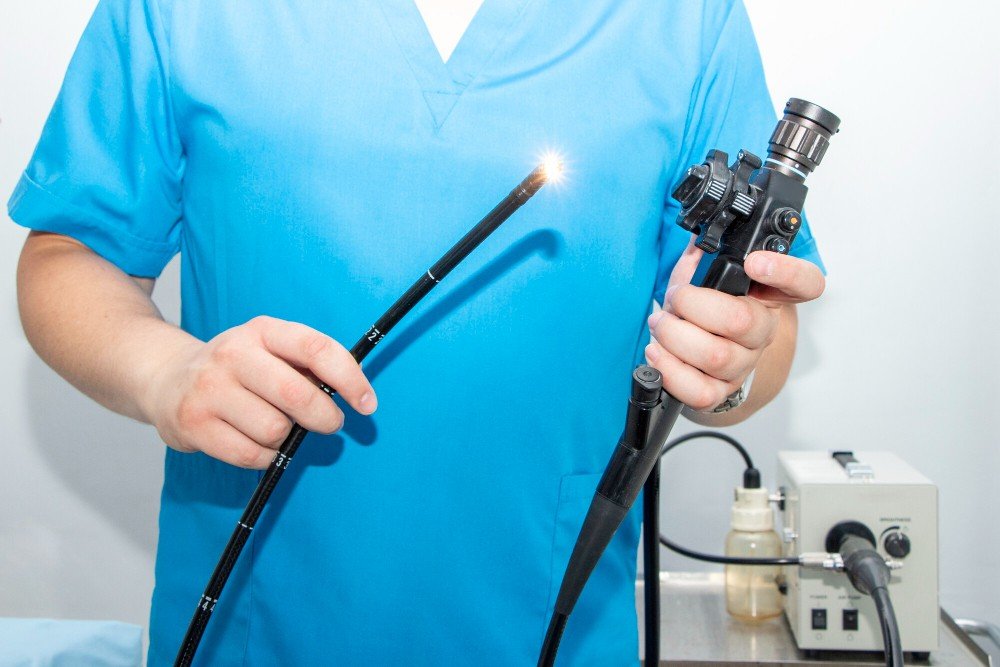
Endoscopes are essential tools in modern healthcare, used daily for diagnostics and minimally invasive procedures. Both flexible and rigid endoscopes are delicate and expensive, so proper care is crucial. One of the simplest ways to protect your investment and ensure patient safety is through regular servicing.
1. Prevents Costly Damage
Regular servicing helps identify minor issues—like worn seals, damaged channels, or loose parts—before they become major problems. This reduces the risk of expensive repairs or early replacement.
2. Ensures Optimal Performance
Serviced endoscopes provide clear images and smooth operation. Routine checks on optics, bending sections, and light sources keep scopes functioning at their best, ensuring accurate diagnoses and safer procedures.
3. Reduces Equipment Downtime
Unexpected breakdowns can disrupt hospital workflows. Scheduled maintenance and timely repairs keep scopes available when needed, minimizing delays in patient care.
4. Improves Patient Safety
Clean, properly functioning endoscopes reduce infection risk and procedural errors. Regular servicing includes inspection, cleaning, and functional testing, which ensures safe and reliable use.
5. Extends Lifespan of Endoscopes
Consistent maintenance and preventive care help flexible and rigid endoscopes last longer. Hospitals save money by avoiding early replacements and extending the usable life of their equipment.
How AJ Medical Can Help
AJ Medical offers flexible and rigid endoscope repair and servicing across the UAE, GCC countries, and Africa. Our certified technicians, OEM-quality parts, and warranty-backed refurbished units ensure your scopes stay safe, reliable, and long-lasting.
Our Services Include:
- Endoscope repair and refurbishment
- Preventive maintenance and AMC services
- Karl Storz equipment servicing
- Rapid emergency repairs
- Medical consumables and accessories
By partnering with AJ Medical, hospitals and clinics can reduce downtime, save costs, and protect patient safety while maximizing the lifespan of their endoscopes.
