


Common Everyday Mistakes That Damage Endoscopes
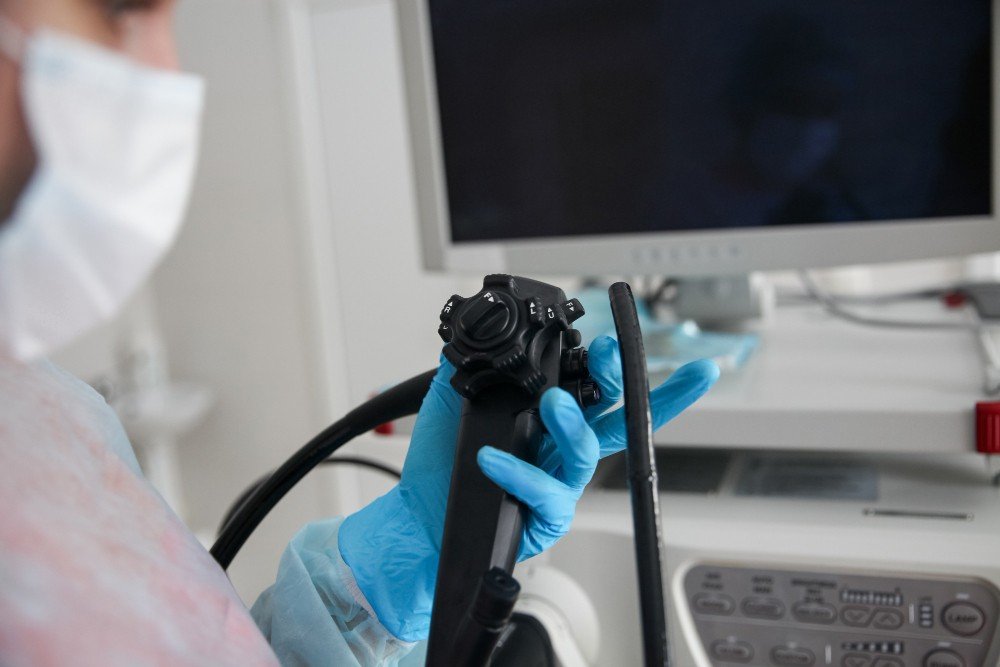
Endoscopes are valuable and delicate medical instruments used daily in hospitals and clinics. Whether flexible or rigid, these devices play a vital role in diagnosis and treatment. But even small mistakes during handling, cleaning, or storage can lead to costly damage.
Most endoscope issues can be avoided with a few careful practices.
Here are some common everyday mistakes that often cause endoscope damage — and how to prevent them.
1. Not Performing Leak Testing Before Cleaning
Leak testing is one of the most important steps after every procedure.
When skipped:
- Water enters the internal channels
- Electronics get damaged
- Corrosion begins inside the scope
This is one of the most common causes of flexible endoscope failure.
Prevention: Always perform leak testing before any cleaning or disinfection process.
2. Rough Handling and Improper Bending
Flexible endoscopes bend—but only within safe limits.
Over-bending, twisting, or pulling the scope too hard can cause:
- Internal tube damage
- Cable breakage
- Image distortion
Prevention: Handle the insertion tube gently and avoid sharp bends.
3. Using Wrong Cleaning Tools or Harsh Chemicals
Using unapproved chemicals or abrasive tools can damage both flexible and rigid endoscopes.
Common problems include:
- Corroded channels
- Damaged seals
- Scratched lenses
Prevention: Use only manufacturer-recommended solutions and soft cleaning tools.
4. Incorrect Storage After Use
Improper storage leads to slow, hidden damage.
Common issues include:
- Storing scopes while wet
- Keeping them tightly coiled
- Storing them in dusty or overcrowded spaces
Prevention: Hang scopes vertically in a clean, dry, ventilated cabinet.
5. Skipping Proper Drying
Moisture left inside the channels leads to:
- Bacterial growth
- Rust formation
- Internal corrosion
Prevention: Always ensure the endoscope is completely dry before storage.
6. Forcing Accessories Through the Channels
Inserting forceps, brushes, or guidewires too aggressively causes:
- Channel tears
- Blockage
- Internal scratches
Prevention: Use correct-sized accessories and insert them gently.
7. Ignoring Small Damages or Loose Parts
Even minor damage should never be ignored.
Small issues quickly turn into major failures like:
- Fluid invasion
- Light guide damage
- Sudden scope failure during procedures
Prevention: Report early signs of damage and send the scope for timely service.
8. Insufficient Staff Training
Many damages happen because staff are unaware of:
- Proper handling techniques
- Recommended cleaning steps
- Safe storage methods
Prevention: Provide regular training and refreshers for all staff members.
9. Mixing Flexible and Rigid Endoscope Care Methods
Flexible and rigid scopes require different care.
Using the same cleaning or handling approach often causes damage to one or both.
Prevention: Follow the proper manufacturer guidelines for each type of scope.
How AJ Medical Helps Protect Your Endoscopes
AJ Medical provides expert flexible and rigid endoscope repair and refurbished medical equipment services across the UAE, GCC, and Africa. With certified technicians, OEM-quality parts, and Karl Storz servicing, we ensure reliable repairs, warranty-backed refurbished units, and long-term performance.
Why Choose AJ Medical?
✔ Expert Technicians – Years of experience in endoscope repair
✔ Cost-Effective – Save compared to buying new scopes.
✔ Fast Turnaround – Minimal downtime for your equipment.
✔ Quality Guaranteed – Strict testing for peak performance.
✔ Dedicated Support – Personalized guidance and post-repair assistance.
